
| |
|
| |
| Links: |
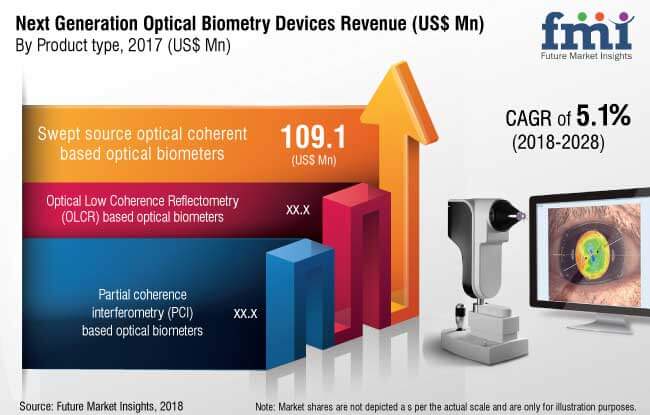
Increasing incidence of eye diseases such as cataract and refractive errors coupled with rising number of eye care clinics and hospitals globally are factors increasing the adoption of next generation optical biometry devices. With the advancement in the technology, next generation optical biometry devices have been developed aiding measurement of eyes before cataract and refractive surgeries. Earlier measurement by ultrasound technique was gold standard. However, unlike next generation optical biometry devices, ultrasound devices require direct contact of the probe, which lead to many eye infections.
The next generation optical biometry devices are automated and measure many parameters such as the axial length, anterior chamber depth, thickness of the lens, retinal thickness, pupil size and many more. The next generation optical biometry devices are an accurate alternative for the precise measurements and provide efficient results. Also the next generation optical biometry devices avoid the operator variations measurements. Research indicates next generation optical biometry devices market is anticipated to account for revenues over US$ 450 Mn, by 2028 end. The report on next generation optical biometry devices projects market revenues to expand at a CAGR of 5.1% through 2028.
A Sample Of This Report Is Available Upon Request @ https://www.futuremarketinsights.com/reports/sample/rep-gb-7556
According to Prevent Blindness organization, ~25 Mn Americans having cataract require medical care every year in the U.S., hence boosting demand for next generation optical biometry devices. Similar rising demand for next generation optical biometry devices is noted in UK with rising number of cataract surgeries. Increased demand for next generation optical biometry devices is noted in developing markets concurrent with access to eye care facilities. Next generation optical biometry devices are all-in one devices used for evaluation of lens and refraction, of retina.
Next Generation Optical Biometry Devices Market: Overview & Analysis
Rapid increase in number of probe infections due to usage of ultrasound devices, lead to post-operative errors fuelling demand for next generation optical biometry devices instead of ultrasound biometry devices. Manufacturers of next generation optical biometry devices are introducing automated devices which are more efficient in measuring segments of eyes. Players in next generation optical biometry devices market are working on strengthening the software, which could provide detailed information about eye segments. New next generation optical biometry devices introduced are taking into account irregularities and astigmatisms of the anterior and the posterior surfaces of the eye. The next generation optical biometry devices uses a partially coherent wave that has approximately 9x the resolution of a 10 MHz sound wave, for precise measurement of axial length.
Hospitals end users segment account for 41.8% revenue share in the global Next Generation Optical biometry Devices market. Medical services and vision benefits offered under Medicare includes cataract surgeries; which will increase the demand of next generation optical biometry devices.
Increasing geriatric population and rising income in Japan is expected to surge the demand for more advanced Next Generation Optical biometry Devices. Japan Next Generation Optical biometry Devices market is estimated to create absolute $ opportunity worth approximately US$ 1.21 Mn between 2017 and 2028.
The company has segmented the global Next Generation Optical Biometry Devices Market into product type and end users. In terms of revenue, the swept source segment in product type in next generation optical biometry devices market report will account for significant revenue share over the forecast period. In contrary, the Partial coherence interferometry (PCI) based next generation optical biometry devices segment in all the markets will exhibit limited investment opportunities through 2028 in next generation optical biometry devices market.
Read Comprehensive Overview with Methodology of Report @ https://www.futuremarketinsights.com/askus/rep-gb-7556
Next Generation Optical Biometry Devices Market: Key Players
The next generation optical biometry devices market report tracks some of the key companies, such as Carl Zeiss AG, Nidek Co Ltd, Haag-Streit AG(Metall Zug AG), Ziemer Ophthalmic Systems, Optovue, Incorporated, Topcon Corporation, TOMEY GmbH, Movu Inc. (unit of Santec Corporation) , Newway Technology and OCULUS Optikgeräte GmbH. The largest player in the next generation optical biometry devices market is Carl Zeiss AG with its IOL masters and Haag-Streit AG’s Lenstar.
(Added: Tue Mar 12 2019 Hits: 2 Rating: 0.00 Votes: 0) Rate It 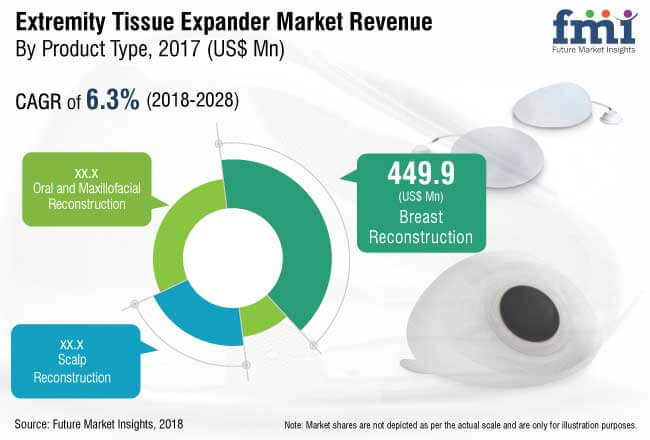
Increasing aging population and rise in plastic surgery are the major factor which is fueling the growth of extremity tissue expanders market over the forecast period. According to a latest research by company, the global extremity tissue expanders market is anticipated to account for US$ 1,842.6 Mn, in terms of value, by 2028 end. The report on extremity tissue expanders further projects significant growth potential with average year-on-year growth rate pegged at 6.3% over the period of 2018-2028.
Extremity Tissue Expanders Market: Overview & Analysis
It is observed that reconstructive procedures has undergone a tremendous shift from the conventional invasive procedures to minimally invasive surgeries. Advancements and development of long-lasting improved extremity tissue expanders are expected to be the key factors driving the growth of the industry. Presently, advancements in technology have led to the development of the extremity tissue expanders, with an expansion of potential shape types. There are several limitations of the traditional and conventional medical surgeries, such as long recovery time, more chances of infection, and highly expensive procedures. These limitations have resulted in shift to minimally invasive procedures. Extremity tissue expanders today have become extremely versatile in nature with patient’s like-mindedness in going forward with the procedure. This transformation has led to a positive impact on the global extremity tissue expanders market growth. The number of surgeries with extremity tissue expanders is expected to increase with other prevalent factors supporting the rise of the extremity tissue expanders market in terms of adoption.
Request Sample Report@ https://www.futuremarketinsights.com/reports/sample/rep-gb-7553
The availability alternative treatment options for reconstructive surgeries, may hamper the growth of the global extremity tissue expanders market. In order to leverage the presence of a large patient pool, various medical device companies involved in the extremity tissue expanders market and new entrants are developing treatment options that can improve the care for reconstructive procedures. Moreover, the European Medical Agency has very stringent regulatory approval standards due to which most of the products fail to reach the extremity tissue expanders market. Several extremity tissue expanders manufacturers are focusing on the development of new products. However, due to stringent regulations and lengthy approval process, most of the products do not reach the extremity tissue expanders market, which hampers the growth of extremity tissue expanders market to a certain extent, and hence alternative treatment options are getting adopted. Market is segregated into definite terms but the lack of procedure and products in developing countries effect the overall extremity tissue expanders market growth and rise in alternative support care.
Breast reconstruction segment by product type is expected to dominate the global extremity tissue expanders market. Breast reconstruction segment is expected gain the market value of US$ 943.4 Mn in global extremity tissue expanders market during 2017. This is due availability of favorable reimbursement scenarios for the treatment of breast cancer. Breast reconstruction segment is of extremity tissue expanders by product type is also expected to grow at faster rate and it is anticipated grow ta CAGR of 6.3% over the period of 2018-2028 owing to rise in number of breast reconstruction procedure throughout the globe. Scalp reconstruction and oral and maxillofacial reconstruction segment of extremity tissue expanders market by product type is expected to be the less lucrative in term of value.
By shape type, anatomical segment of extremity tissue expanders market is expected to gain maximum market share and estimated to reach the market value of US$ 682.9 Mn in 2028. This is due variety of products with anatomical shape are available in the extremity tissue expanders market. Among all end user, hospital segment is expected to be the most lucrative segment for extremity tissue expanders market though maximum number if breast reconstruction surgery performed in the hospitals.
North America is the expected to dominate the global extremity tissue expanders market in term of value by region. North America region for extremity tissue expanders is estimated to gain market value of US$ 233.7 Mn in 2018, though this North America hold the maximum number of key manufacturers for extremity tissue expanders. After North America, extremity tissue expanders market is then followed by Europe and APEJ. By region APEJ is anticipated to show faster growth than other region in global extremity tissue expanders market and APEJ region is projected to grow at CAGR of 7.7% over the forecast period.
Request to View TOC @ https://www.futuremarketinsights.com/askus/rep-gb-7553
Extremity Tissue Expanders Market: Companies
FMI’s report tracks some of the key companies operating in the extremity tissue expanders market, such as GC Aesthetics Plc., Koken Co. Ltd., Allergan Plc., Mentor Worldwide LLC, Laboratories Arion, Wright Medical Group N.V. Groupe Sebbin SAS, Sientra Inc., Guangzhou Wanhe Plastic Materials Co. Ltd., and Guangzhou Wanhe Plastic Materials Co., Ltd.
(Added: Tue Mar 12 2019 Hits: 1 Rating: 0.00 Votes: 0) Rate It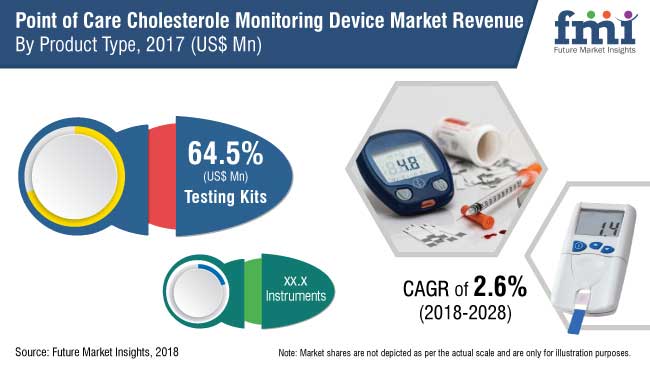
A new Future Market Insights’ study on the global sales scenario for point of care cholesterol monitoring devices projects just-under 3% year over year revenue growth for the market estimated to cross US$ 400 million in 2019.
Increasing CVD prevalence and a growing number of high-cholesterol cases are sustaining the demand for point of care cholesterol monitoring device worldwide. Although a growing patient population is maintaining a decent consumption rate of point of care cholesterol monitoring devices, high per test cost and tightening regulatory norms regarding medical devices launch continue to limit adoption.
FMI Analyses Key Pull Factors Translating into the Sluggish Revenue Growth of Point of Care Cholesterol Monitoring Device Market
Recently in 2017, FDA approved the SD LipidoCare System launched by SD Biosensor Inc. However, a majority of medical device manufacturers continue to face the challenges to new product launch as a set of certain evolved amendments recently designed by regulatory policies target the lack of standardization across their device portfolios. Local medical device manufacturers exclusively encounter the impediments posed by regulatory-linked issues.
More importantly, the inaccuracy of results delivered by point of care cholesterol monitoring devices still persists that makes the entire procedure less reliable and riskier. This continues to linger as a major concern restraining revenue growth of point of care cholesterol monitoring device market.
Request Sample Report @ https://www.futuremarketinsights.com/reports/sample/rep-gb-7773
Global Point of Care Cholesterol Monitoring Device Market Taxonomy: By Product Type, Technology Type, Application Type, End User, and Region
According to the product type analysis of point of care cholesterol monitoring device market presented in the report, testing kits are currently more popular but instruments, especially computerized, are gradually gaining ground among end users and thus end use segments.
The technology type analysis of point of care cholesterol monitoring device market reveals that both the key technologies, i.e. electrochemical biosensor and reflectance photometry currently hold an almost equal share of the market revenue. The overall growth is however sluggish.
Based on the application type analysis, the point of care cholesterol monitoring device market is likely to witness maximum demand for atherosclerosis patients, whereas sales of point of care cholesterol monitoring devices in the hypercholesterolemia segment is also considerable.
End user analysis offered in the point of care cholesterol monitoring device market report uncovers considerable product consumption by diagnostic centers, diagnostic laboratories, hospitals, and ambulatory surgical centers. Lucrative adoption prospects for point of care cholesterol monitoring devices have been indicated in home care settings.
While more than 1/3rd of the global market revenue belongs to North America, Western Europe and APECJ remain the next two key markets for point of care cholesterol monitoring devices. The report forecasts attractive product innovation and penetration opportunities arising in MEA and Latin America for manufacturers.
A Growing Self-testing Trend Boosts Point of Care Cholesterol Monitoring Device Demand in Home Care Settings
The point of care cholesterol monitoring device market is currently witnessing a rapid consumer shift to self-testing at home. While home testing of cholesterol level is highly convenient, it also offers the result in a matter of a few minutes. Patients are increasingly aware about the significance of early risk detection that further helps prevention of complications related to the level of cholesterol and thereby heart conditions.
The demand for point of care cholesterol monitoring devices in home care settings is thus witnessing a gradual surge in recent years, and the FMI study points to a higher yearly growth in the revenue of devices designed for home testing.
Request to View Methodology @ https://www.futuremarketinsights.com/askus/rep-gb-7773
Key Manufacturing Trends Spotted in Point of Care Cholesterol Monitoring Device Market
Advanced technology integration
Devices with a portability feature
Convenient applicability for home testing
Besides these prominent trends, leading industry manufacturers are investing in strategic acquisitions for a broader approach to the businesses opportunities in global landscape. Moreover, companies are concentrating on product innovation and value chain expansion with an intent to achieve enhanced market positions.
Abbott’s acquisition of Alere Inc. has been helping the former securing a leading position in the point of care testing space, as the company through this deal expanded its global diagnostics portfolio.
The recent M&A deal between Abaxis Inc. and Zoetis intends to broaden the manufacturing and marketing scope of point of care veterinary diagnostic instruments.
ACON Laboratories, Inc. targets the international customer base with the recently released Mission Lipid Data Management Software.
Siemens leads the packs globally, FMI offers an extensive assessment of the competitive landscape of angio suites market for 2018-2028
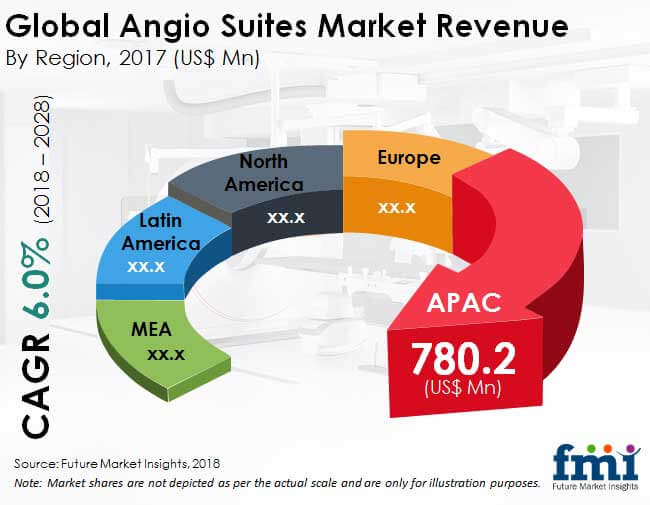
With an estimated incremental opportunity of more than US$ 100 million over 2018, the global revenue through sales of angio suites is likely to approach US$ 1.9 Bn in 2019. As reported by a new research intelligence study on the global angio suites market, there will be more than 6% year on year revenue growth in 2019 – reflecting a healthy outlook for the angio suites landscape at a global level.
Key Research Insights Drawn from the Report
In a consolidated market structure, the top three companies operating in the global angio suites landscape hold a whopping revenue share of around 70%.
Easy, fast-track FDA clearance holds vital importance in shaping the new product developments and launches.
Innovative therapy suites and angio suites are receiving wider platforms in recent years, with growing government funds and consistently increasing voluntary funds - pushing R&D activities further.
Request Sample Report @ https://www.futuremarketinsights.com/reports/sample/rep-gb-7758
More than 1/4th Share of the Market Revenue Belongs to Siemens
Siemens AG, reportedly the global leader in angio suites landscape, has been highly active in terms of innovation in recent years.
The company had announced the launch of two products adding value to its innovative offerings in Nov 2017. Siemens Healthineers unveiled two imaging therapy suites that are intraoperative and possess multi-modality imaging capability. While interventional surgeons and radiologists are continuously striving to discover novel procedures that are highly precise yet rapid and affordable, Siemens’ Angio-MR-CT and Angio-CT therapy suites have been presented as a breakthrough innovative solution.
Later the same year, the company entered a 10-year contractual partnership with Kingston Hospital NHS Foundation Trust over the supply of all-inclusive Managed Equipment Services (MES) to the trust for a wide range of medical imaging systems.
The other two market leaders include Philips Healthcare and GE Healthcare LLC, which are prominently concentrating on innovative product launches for global expansion and introduction of disruptive technology based systems across developing regional markets.
Explaining the most popular developmental strategies adopted by key companies in angio suites landscape, the FMI analyst says, “The strategic focus of angio suites market players is likely to remain on vertical and horizontal integration. Our research concludes that direct selling strategy is allowing companies to cater to the escalating demand for technically innovated products”. Discussing further about the growing significance of having a strong distribution network, “Key players are also prioritizing a stronger distribution network at a global level. Whereas, development of independent distribution channels for personal selling of angio suites is also identified to be one of the key trends among market players,” says the analyst.
Request to View Methodology @ https://www.futuremarketinsights.com/askus/rep-gb-7758
Segmental Analysis: Single Plane Angio Suites and Hospitals Remain Top Performing Segments
With more than 65% share of the global market revenue, single plane angio suites continue to dominate biplane angio suites, according to the report.
Although cath labs are likely to demonstrate impressive adoption of angio suites in the near future, hospitals remain the largest end user of angio suites.
Currently, Asia Pacific accounts for over 45% share of the total market revenue, followed by Europe that holds around 30% share in the market value.
The report projects emergence of lucrative business opportunities in developing regional markets, besides APAC, i.e. MEA and Latin America. While the opportunity assessment of emerging regional markets for angio suites analyses the sales force expansion and third party payer coverage in the regions, remarkable reimbursement support and improving customer care are identified to be the primary factors boosting revenue growth of angio suites market in these regions. In a bid to achieve high operational efficiency, a number of companies are strategizing the shifting of their manufacturing facilities to low-cost production bases in emerging economies of Latin America and APAC.
(Added: Tue Mar 12 2019 Hits: 1 Rating: 0.00 Votes: 0) Rate ItPages: [<<] ... 215 216 217 218 219 220 221 222 223 224 225 226 227 228 229 ... [>>]
Links SQL By: Gossamer Threads Inc.